Copper — sulfides & oxides
From blasting to cathode: optimization of fragmentation, ore blending, flotation or SX-EW. The twin connects geometallurgy with the plant to maximize recovery and throughput at minimum energy.



Waze doesn't tell you your route was wrong: it recalculates it every second with live data. We do the same with your mine's extraction plan — a digital twin that simulates the entire operation and an optimizer that corrects decisions online, bench by bench, shift by shift, to raise the value of every tonne of metal.
An alliance of Honeywell (industrial OPC layer, process control) + NVIDIA (GPU-accelerated computing) + TRIBUCORP (AI engineering, NPN partner and Dell Services).
“Every tonne moved on a six-month-old plan is margin left buried in the pit.”
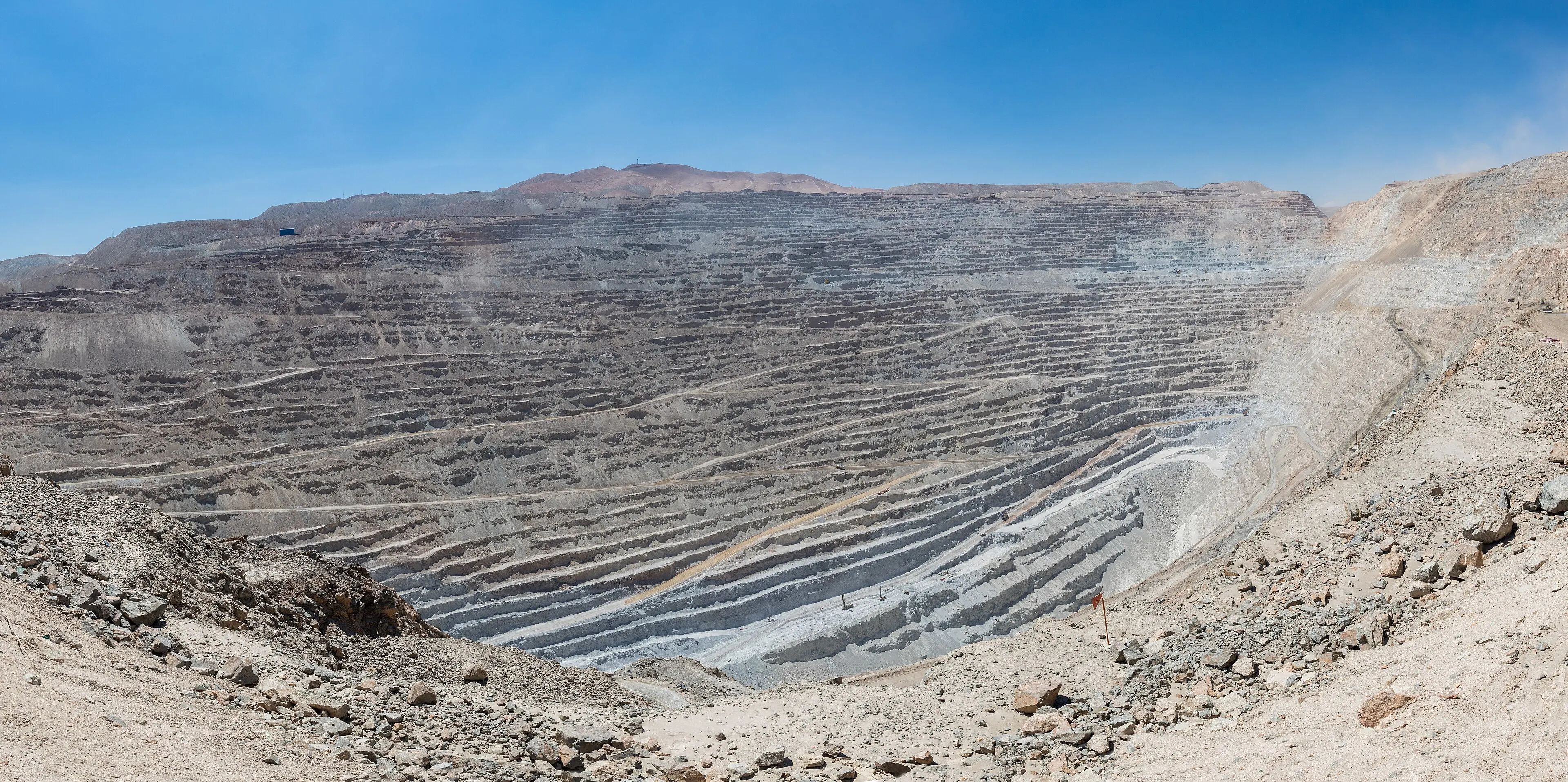
Chuquicamata mine, Chile — the world's largest open pit
Waze needs two things: a faithful map of the streets and real-time data from drivers. At the mine, the map is the digital twin built from your historical data; the live data arrives via OPC from the industrial layer Honeywell already operates.
With drillhole data, the block model, the mine plan and operating history (dispatch, blasting, crushing, plant) we build a simulator of the entire mine, calibrated against real results, running on GPUs.
The optimizer compares in real time what the mine is doing (OPC data) against what the plan expected, and recalculates: ore blending, plant setpoints, fleet assignment, bench sequencing. Recommendations arrive on the control boards your operators already use.
The step-by-step of an open-pit copper operation (with its lithium variant), and the signal each stage feeds into the digital twin.
Diamond/reverse-circulation drilling campaigns; grade assays and geometallurgy.
The orebody is discretized into blocks with grade, tonnage, hardness and estimated recovery.
Pit design, phases, bench sequencing, cut-off grade, LOM production schedule.
Drill patterns and blasts that fragment the rock; fragmentation defines everything downstream.
Shovels and haul trucks move ore and waste; dispatch assigns routes and destinations.
Primary/secondary size reduction; the typical bottleneck of the operation.
SAG and ball mills bring ore to liberation size; the largest energy consumer on site.
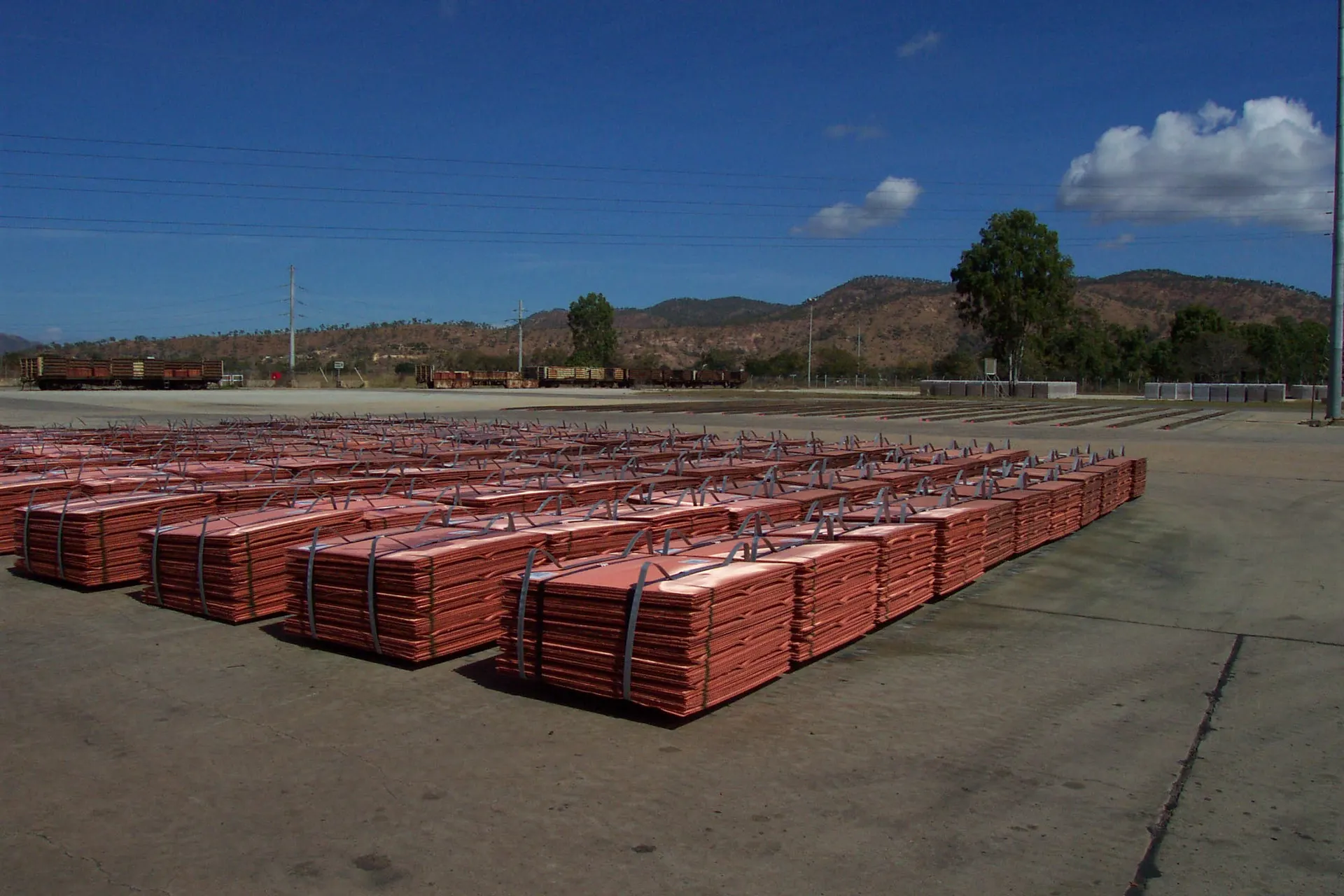
Cu sulfides: flotation → concentrate. Cu oxides: leaching + SX-EW → cathodes. Li brine: ponds/DLE → carbonate.
Concentrate is smelted and refined; final metal quality and value are consolidated here.
The mine-to-mill key: blasting decisions (stage 4) determine grinding energy (stage 7) and recovery (stage 8). Today those decisions are made in silos, weeks apart. The Waze of mining connects them in a single, online optimization loop.
The same platform adapts to the two production circuits that dominate South American mining.
From blasting to cathode: optimization of fragmentation, ore blending, flotation or SX-EW. The twin connects geometallurgy with the plant to maximize recovery and throughput at minimum energy.
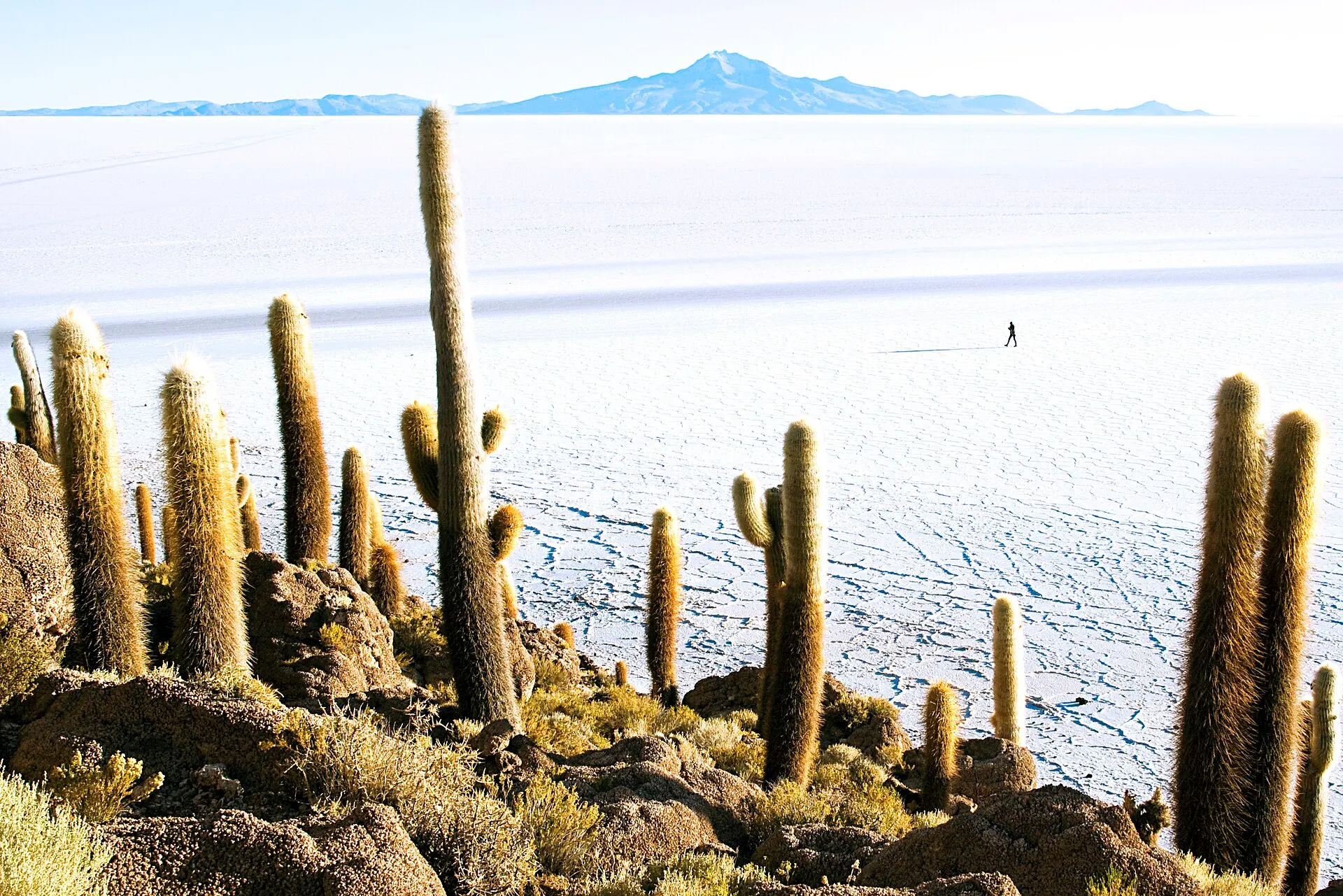
On the salt flats, the twin models evaporation ponds, brine chemistry and direct lithium extraction (DLE): water balance, residence times and carbonate yield, with climate variability built into the model.
We are bringing this platform to brine exploration in the Salar de Atacama — the heart of the global lithium industry, with the highest known grades and first-quartile costs. On projects with 5–7 Mt LCE targets, the digital twin does not wait for production: it accelerates the path from drillhole → resource → PEA.
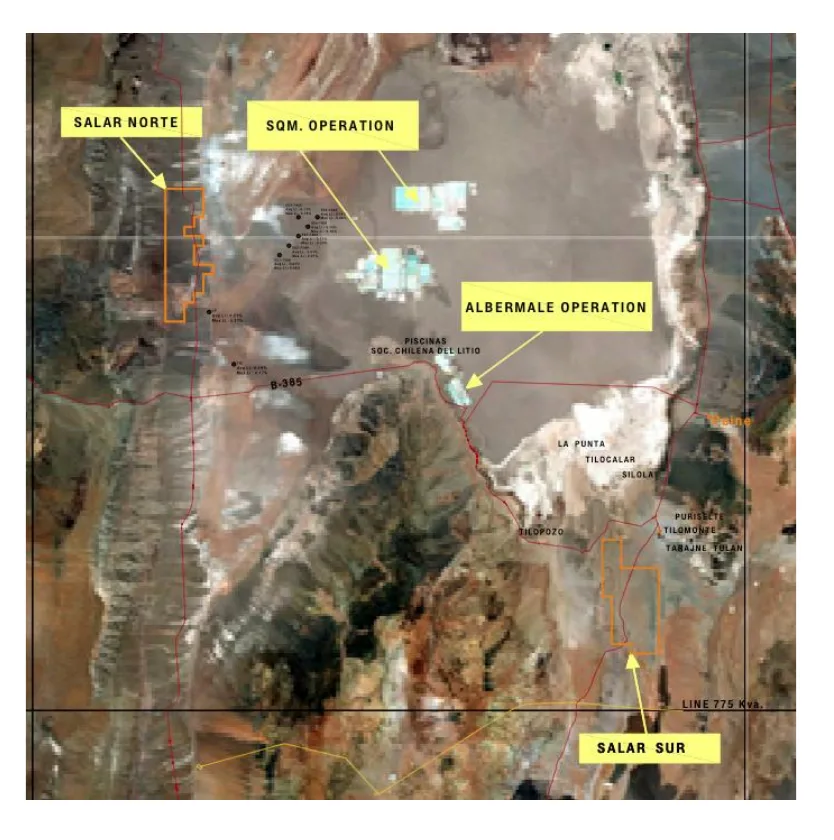
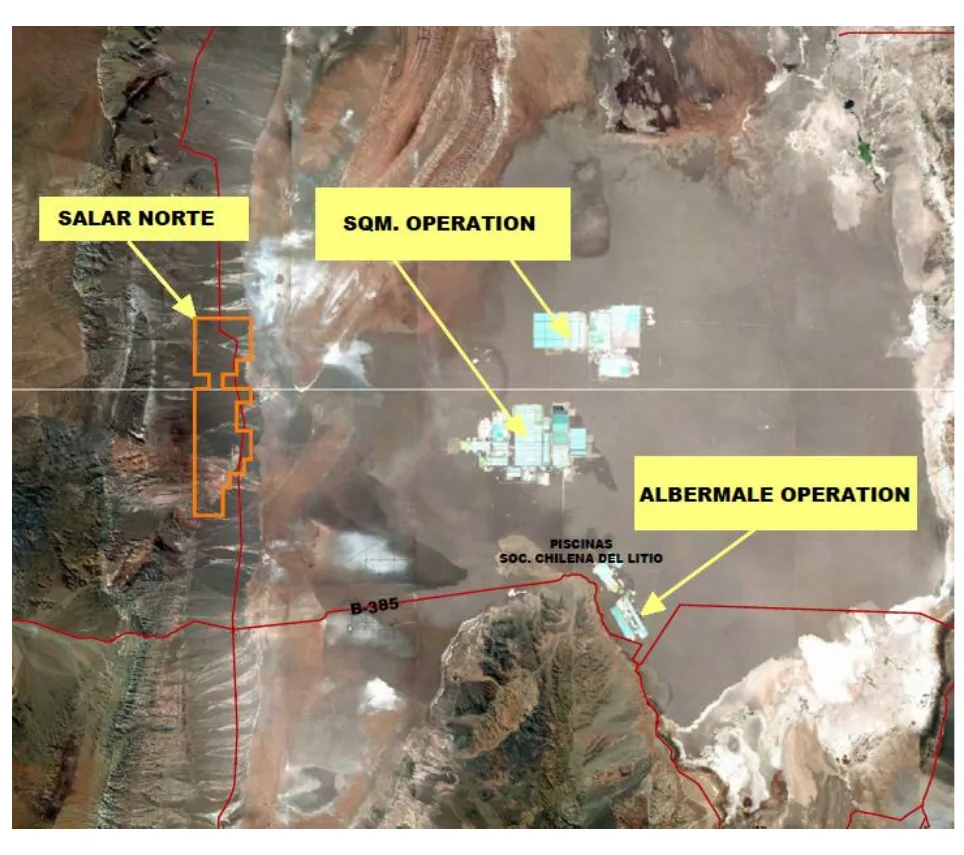
≈9,600 ha of privately held exploitation tenements adjacent to SQM and Albemarle operations: two projects (Salar Norte and Salar Sur) with TEM geophysics completed, aquifers open at depth and a 12-month program of drilling, pump tests, NI 43-101/JORC resource and PEA.
Drillholes, geophysics and brine chemistry feed the hydrogeological model of the aquifer. On top of it we simulate evaporation ponds, DLE and water balance before infrastructure is committed: every PEA scenario is stress-tested through thousands of simulator runs, not a static spreadsheet.
The other half of the circuit, from our ecosystem: Alchemist, the NVIDIA ALCHEMI PoC on DGX Spark. Atomistic screening of selective sorbents for direct lithium extraction (DLE) and battery electrolytes — thousands of molecular candidates evaluated in hours, before touching a single flask.
Discover Alchemist ↗The architecture respects the existing automation pyramid: the DCS keeps controlling, the boards remain yours. A layer of intelligence is added on top of the data already flowing through OPC.
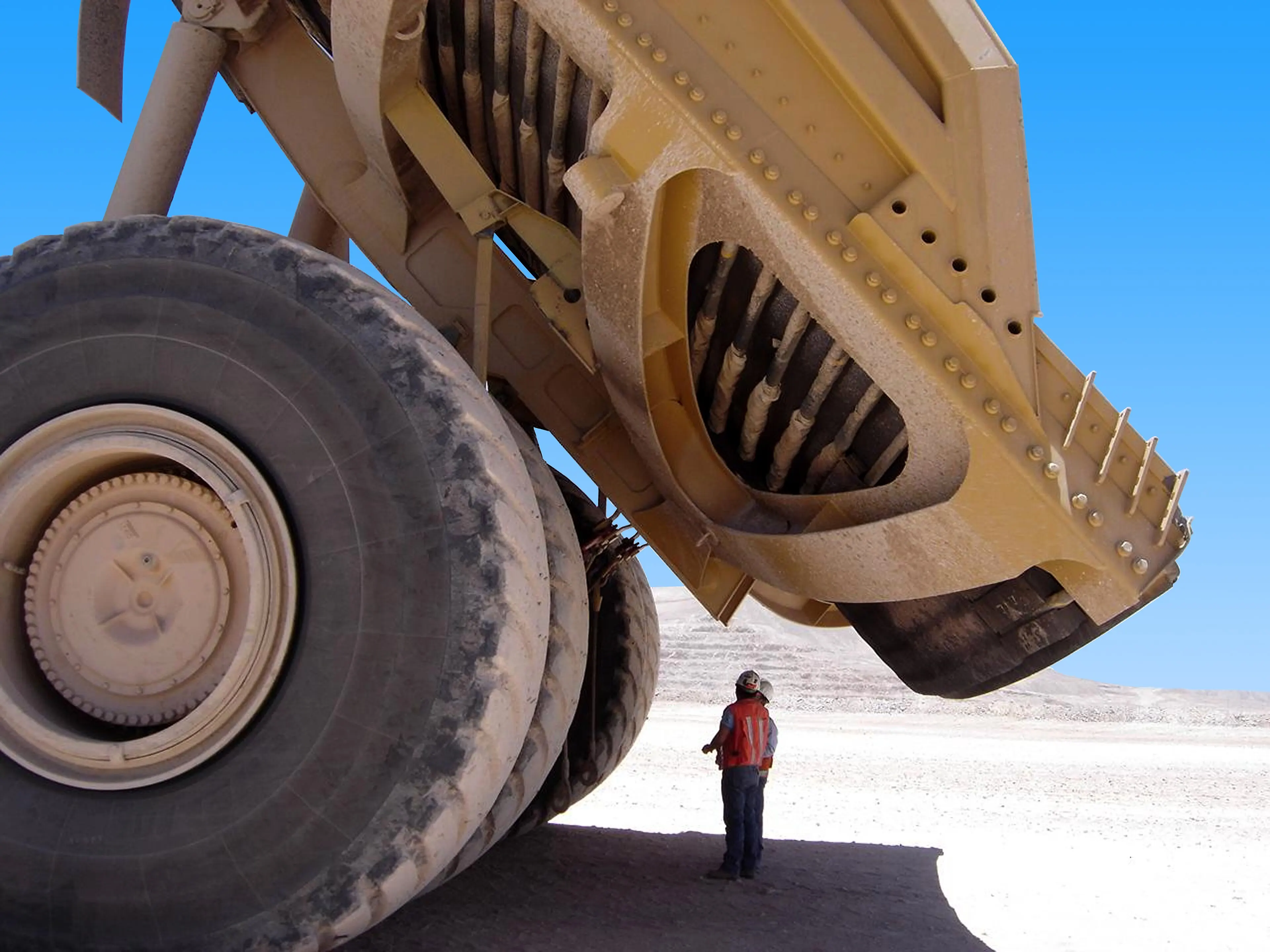
“A 400-tonne haul truck burns the same diesel on the right route or the wrong one. The difference is who recalculates.”
Caterpillar 797 at Minera Escondida, Chile
Together we choose a bounded, high-value circuit (typically blasting→crushing→grinding, or the flotation circuit) and demonstrate the impact with the real OPC data of your operation.
Inventory of sources: OPC historian, dispatch, laboratory, mine plan. Agreement on KPIs and the economic baseline of the chosen circuit.
GPU curation of historical data and construction of the simulator. Exit criterion: reproduce operating history within agreed tolerances.
The optimizer runs in parallel with the operation ("shadow mode"): it recommends without acting. We measure the delta between recommended and executed.
Quantification of capturable value per tonne, scaling architecture and roadmap to move to assisted loop and then production.
It is a real-time simulation and optimization platform for copper and lithium mining operations. Just as Waze recalculates your route with live traffic data, the platform builds a digital twin of the mine from your historical data and re-optimizes mine-plan decisions online — ore blending, plant setpoints, fleet assignment and bench sequencing — using the OPC data your operation already generates.
A digital twin is a calibrated simulator of the entire operation: from the block model to the plant. It is built from drillhole data, the mine plan and years of dispatch, blasting, crushing and plant history, processed on NVIDIA GPUs with RAPIDS and hybrid models (process physics + machine learning). Before predicting the future, the twin must reproduce real operating history within agreed tolerances.
No. The architecture respects the existing automation pyramid: the DCS (Experion or other) keeps controlling and operators keep using their boards. The platform reads process data via OPC UA and returns explainable recommendations to your current HMIs and dashboards. The operator always decides; the system learns.
The POC runs for 16 weeks on a bounded, high-value circuit (for example blasting→crushing→grinding, or flotation). It delivers a calibrated digital twin, an optimizer running in shadow mode and a quantified business case: deltas in recovery, throughput, energy, water and US$/tonne, plus the scaling roadmap.
What your operation already generates: the DCS/SCADA OPC historian, fleet dispatch data, laboratory results, the block model and the mine plan. The first 3 weeks of the POC are precisely a diagnostic of these sources; no new instrumentation is required to begin.
Yes. For copper it covers sulfides (flotation → concentrate) and oxides (leaching + SX-EW → cathodes). For lithium it models evaporation ponds and direct extraction (DLE), incorporating water balance and climate variability. The mine-to-mill optimization chain is the same: connecting decisions that today are made in silos.
Yes. In brines, the digital twin starts from exploration data: TEM geophysics, drillholes and brine chemistry build the hydrogeological model of the aquifer, and on top of it we simulate evaporation ponds, direct lithium extraction (DLE) and water balance to support the resource (NI 43-101/JORC) and the PEA. We complement it with Alchemist (alchemist.tribucorp.cl), the NVIDIA ALCHEMI PoC from our ecosystem, which accelerates atomistic screening of DLE sorbents and electrolytes. This is the approach we are bringing to projects in the Salar de Atacama.
Public cases from major miners back it up: Codelco reported ~US$80M in additional annual profit at Chuquicamata using ML on ore data; BHP Escondida raises copper recovery with real-time AI; peer-reviewed studies show +4.4% throughput and −7.6% energy in SAG milling; and Komatsu autonomous fleets cut diesel consumption by ~10%.
Codelco, BHP and the majors have already proven it with in-house platforms. Our alliance puts that same capability — Honeywell industrial layer, NVIDIA computing, TRIBUCORP engineering — within reach of any copper or lithium operation, as a service.
Book a free diagnostic